
Category: Analysis
-
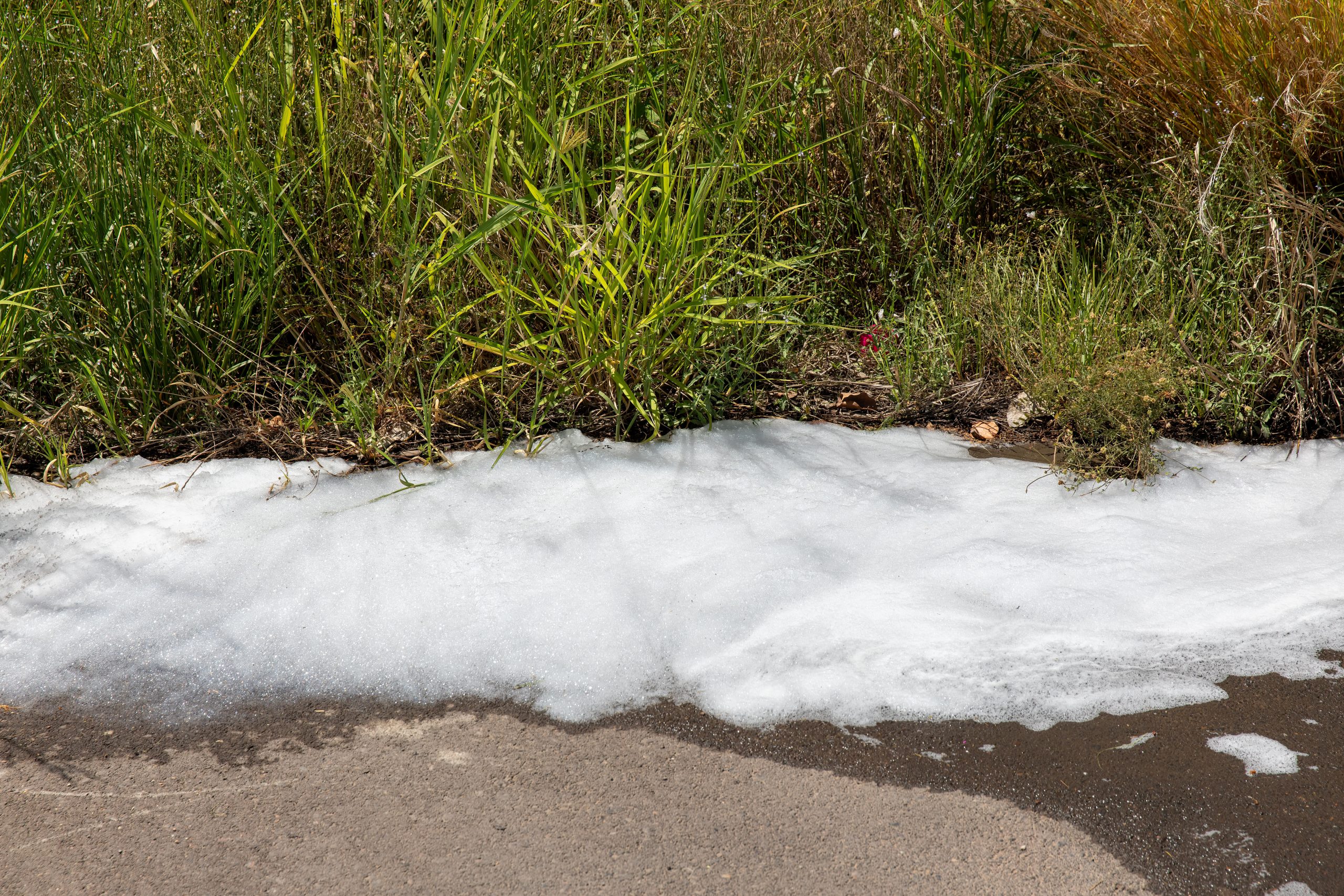
Taking a holistic approach to PFAS in land, air and water
Per- and polyfluoroalkyl substances (PFAS), referring to over 10,000 chemicals used in a wide variety of consumer and industrial products, are a pervasive issue across the environment. There has been increasing concern about their environmental and potential health impacts, given their ubiquity in groundwater, surface water and soils. One area that is currently less well understood…
-
Recharge and Soil Moisture Dynamics: Improving Groundwater Models and Geohazard Assessment
Groundwater is a critical water resource in the UK and globally. Its effective management and protection depend on robust hydrogeological judgement supported by scientific calculations that quantify the water budget and simulate groundwater flow. Recharge is the primary driver of hydrological models and a parameter that must be defined at the very start of any…
-
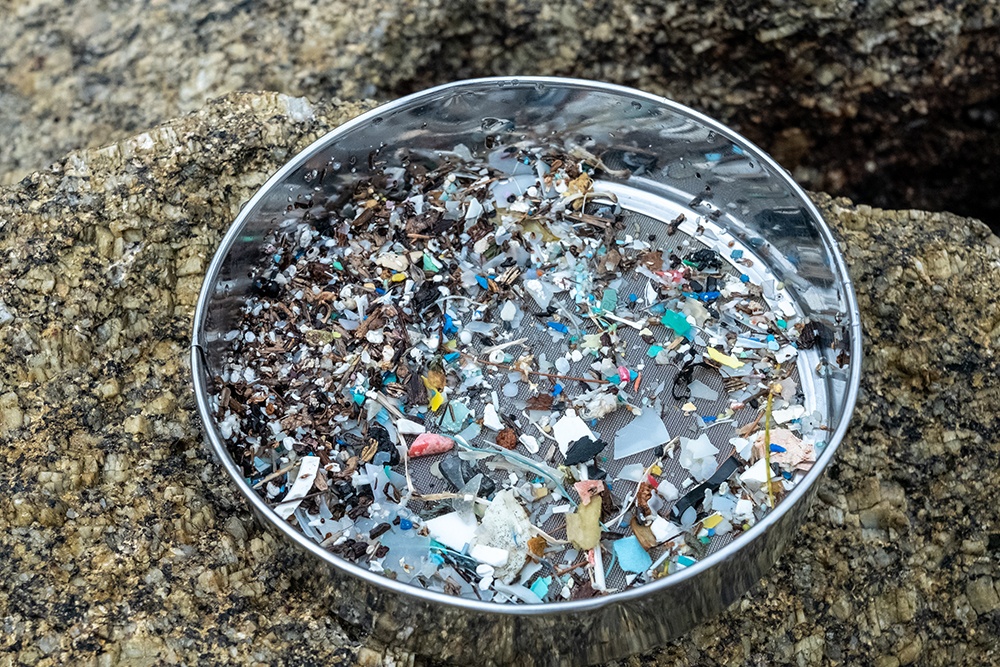
Microplastics, PFAS, and their potential for interaction in the environment
In considering potential environmental impacts, microplastics (MPs) and Per- and Polyfluoroalkyl Substances (PFAS) have a lot in common. They are widely found in the environment, and some can be highly resistant to degradation, persist over long temporal scales, and possess a high transportability.1 In addition, MPs and PFAS can be derived from the same sources…
-

Delivering rainwater management as part of the Integrated Water Management Plan in Greater Manchester
This Foundation for Water Research (FWR) webinar provides an overview of United Utilities’ approach to rainwater management. It includes the drivers for taking a different approach to how rainwater is captured and managed where it falls, with the aim of replumbing the North West of England. The webinar covers what this looks like in real terms, with…
-
Unlocking the potential of river biofilm bacteria for freshwater monitoring
England’s rivers are under pressure. Pollution from agricultural runoff, treated and untreated wastewater, and a changing climate are testing the resilience of freshwater ecosystems that millions of species and people depend on. Chemical contaminants can enter rivers in short pulses following rainfall or arise more persistently from diffuse sources across entire catchments, making their ecological…
-
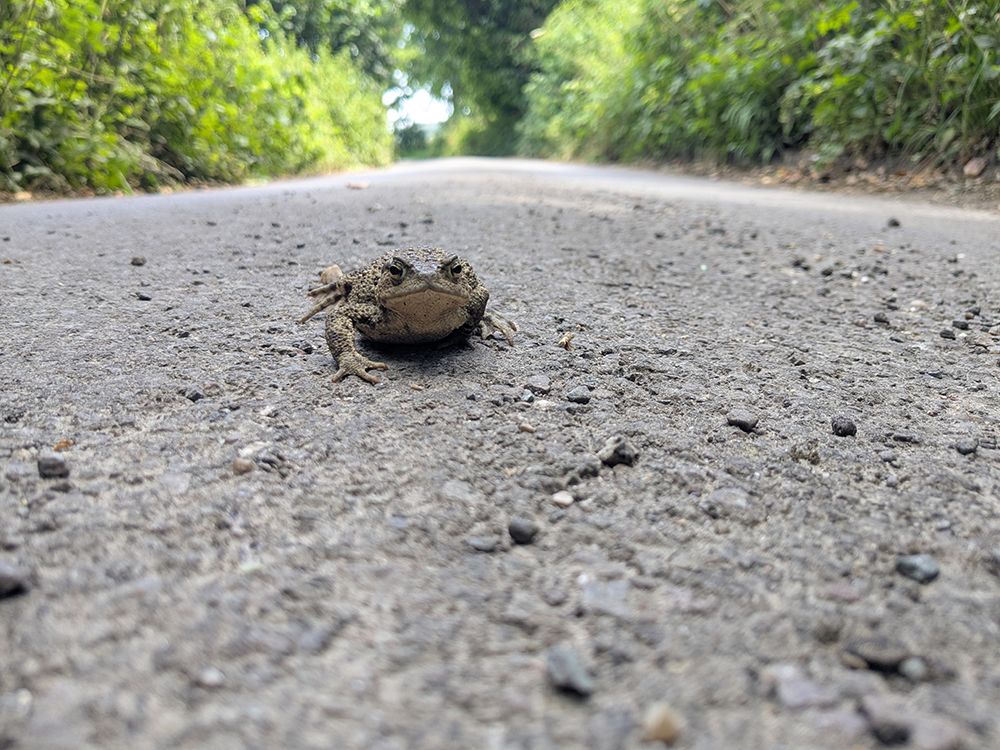
Two million toads and counting: Citizen science, freshwater policy, and the future of one of Britain’s most familiar amphibians
The FWR is part of the Institution of Environmental Sciences family – a professional body uniting science and people to accelerate the transition to a thriving environment. Covering 19 specialisms, the IES is at the forefront of uniting the environmental sciences around a shared goal: to work with speed, vision and expertise to solve the…
-
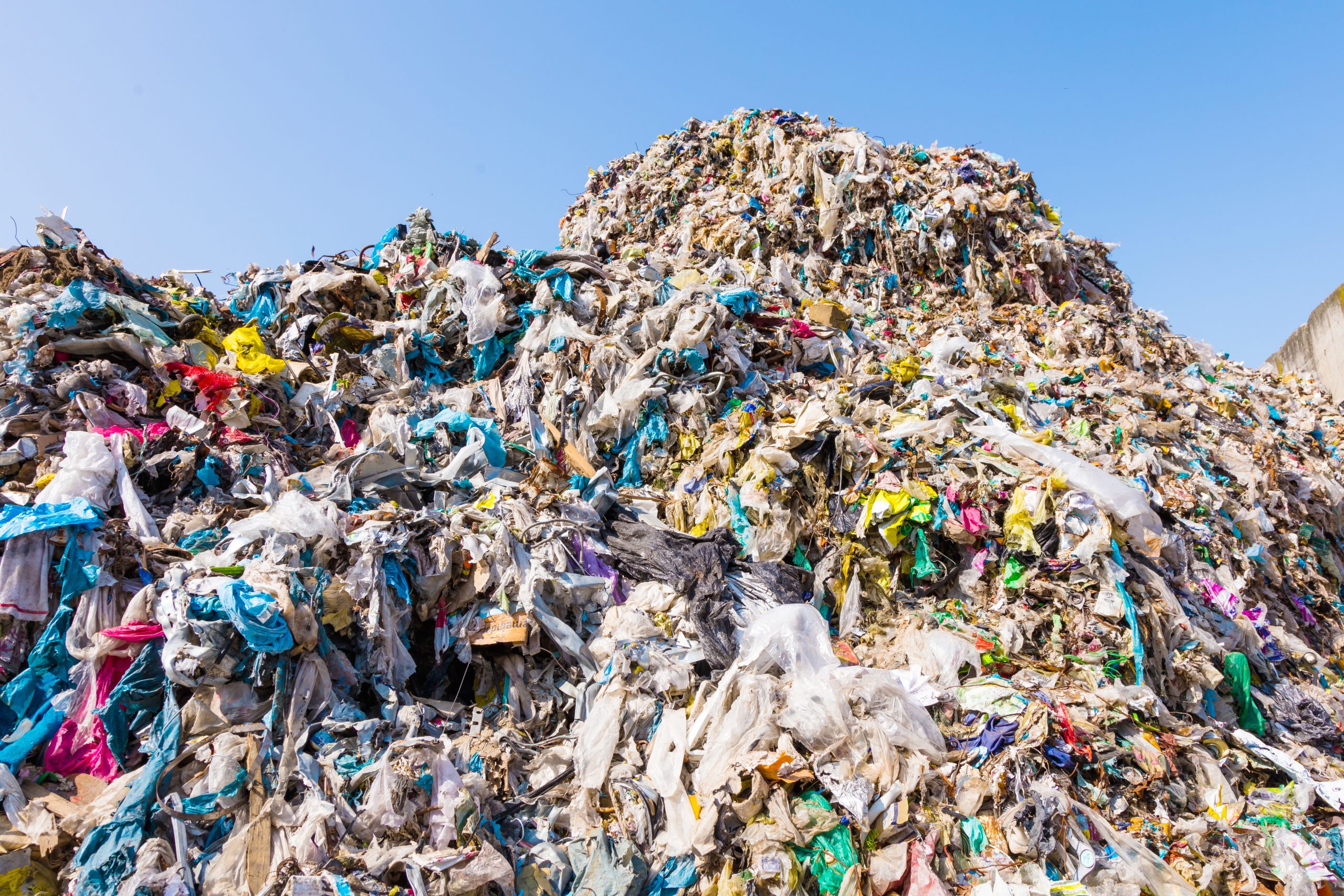
Microplastic pollution in the freshwater environment
This event brings together experts to explore the growing issue of microplastics in our aquatic and marine environments, and the implications for sustainable wastewater management. The event features lightning presentations from experts, exploring topics including the scale of microplastic pollution in our watercourses, key sources of microplastics, and the ecotoxicological effects of microplastics in aquatic…
-

FWR Panel Discussion – the impact of agriculture on water
In this Foundation for Water Research (FWR) event, speakers discussed the critical relationship between agriculture and water resources. Through a series of short, lightning presentations the expert speakers highlighted the latest insights on the impact of agriculture on water resources, experience of managing this in practice, and potential future challenges for this relationship. Presentations included:…
-

The great hydropower dilemma: Can large and mega dams deliver a just energy transition?
The construction of large hydropower infrastructures has become a cornerstone of global climate mitigation strategies. As nations pursue climate-neutral economies, hydropower is often seen as a reliable renewable energy source capable of delivering large-scale, low-carbon electricity. According to the International Energy Agency’s (IEA) Net Zero by 2050 report, the world will need 2,600 GW of…
-

Integrating water management to enable sustainable growth
In January 2025 the Chancellor reaffirmed the Government’s commitment to the Oxford to Cambridge Growth Corridor to help kickstart economic growth, highlighting the potential of the corridor to unlock £78 billion for the UK economy by 2035. Capitalising on the region’s excellence in science and innovation will ensure that world-class research translates to commercial success.…
-

How a skilled workforce is vital to our water future
Recycling water in domestic and commercial settings is critically important for mitigating projected water scarcity challenges. However, the effective normalisation of water reuse in the UK is contingent upon establishing a skilled and trustworthy workforce of installers and plumbers. The UK faces a confluence of pressures, including a projected daily public water deficit of five…
-

Cotton Conscience: A view from space about wise water use in cotton cultivation management solutions
Introduction Cotton accounts for approximately half of all textile products globally. However, flows in the cotton value chain remain opaque, particularly regarding water use, despite various sustainability-related accreditation schemes. Cotton Conscience is an exploratory project, funded by the European Space Agency Business Applications and Space Solutions programme (ESA BASS). It aims to create a multi-layered,…
-

Trading water across regions: Challenges, opportunities and its role in supporting resilience
Climate change is predicted to drive changes in the distribution of water across the UK, and combined with our increased usage of water, is projected to lead to increased water scarcity in England by the end of the century. This will have repercussions on the supply and demand of water across the country and will…
-

What defines a healthy river?
The Foundation for Water Research (FWR)’s Sustainable Wastewater Management Technical Panel recently held a roundtable discussion exploring the topic of healthy rivers, chaired by Oliver Grievson, FWR Vice Chair, who was joined by a range of professionals with expertise in the sector. The discussion explored the different ways of considering what defines a healthy river,…
-

Water resources management and infrastructure: the challenges and the future
Water resource management can be summed up in three words: “we don’t know”. The nature of the problem is that water is part of a natural cycle, so managing water resources is a process of managing risk. These words are being written at the end of May 2025 following the lowest Spring rainfall in the…
-

Enabling nature-based solutions in the water sector
The IUCN defines nature-based solutions as those that address societal challenges through actions to protect, sustainably manage, and restore natural and modified ecosystems, benefiting people and nature at the same time. The Foundation for Water Research (FWR) Community’s Water Environment & Ecosystem Services Technical Panel held a roundtable discussion with experts from across the sector…
-

The importance of Integrated Water Management
Integrated Water Management (IWM) is a comprehensive approach that considers the entire water cycle, from source to sea, including the human interactions along the way. It integrates environmental, economic, and social factors to deliver coordinated and resilient water management solutions. IWM is vital for several reasons: How Integrated Water Management works IWM operates on the…
-

Integrated water management and economic growth
Context The current Government’s overriding priority is to promote economic growth in the face of the legacy of the dire state of public services, infrastructure and public finances. Unsustainably high public debt and debt servicing costs require radical remedies. Defra have appointed Dan Corry1 to review the regulatory landscape and recommend how to make environmental…
-

Thames RFCC and WWT collaborate on streamlined Natural Flood Management programme
Introduction The Thames Regional Flood and Coastal Committee (RFCC) and the Wildfowl and Wetlands Trust (WWT) are working collaboratively on an innovative Natural Flood Management (NFM) programme. The programme is designed to mainstream NFM in the catchment and provide projects with a more streamlined way to access funding. The Thames RFCC have been trialling a…
-

Briefing Paper: Future of water resources
Today the FWR have published a briefing paper on the future of water resources provides an overview of the key challenges facing the water sector and explores potential solutions to support the UK in moving towards a sustainable water sector that works for people and nature. Read the briefing This briefing paper was informed through…
