
Category: Analysis
-
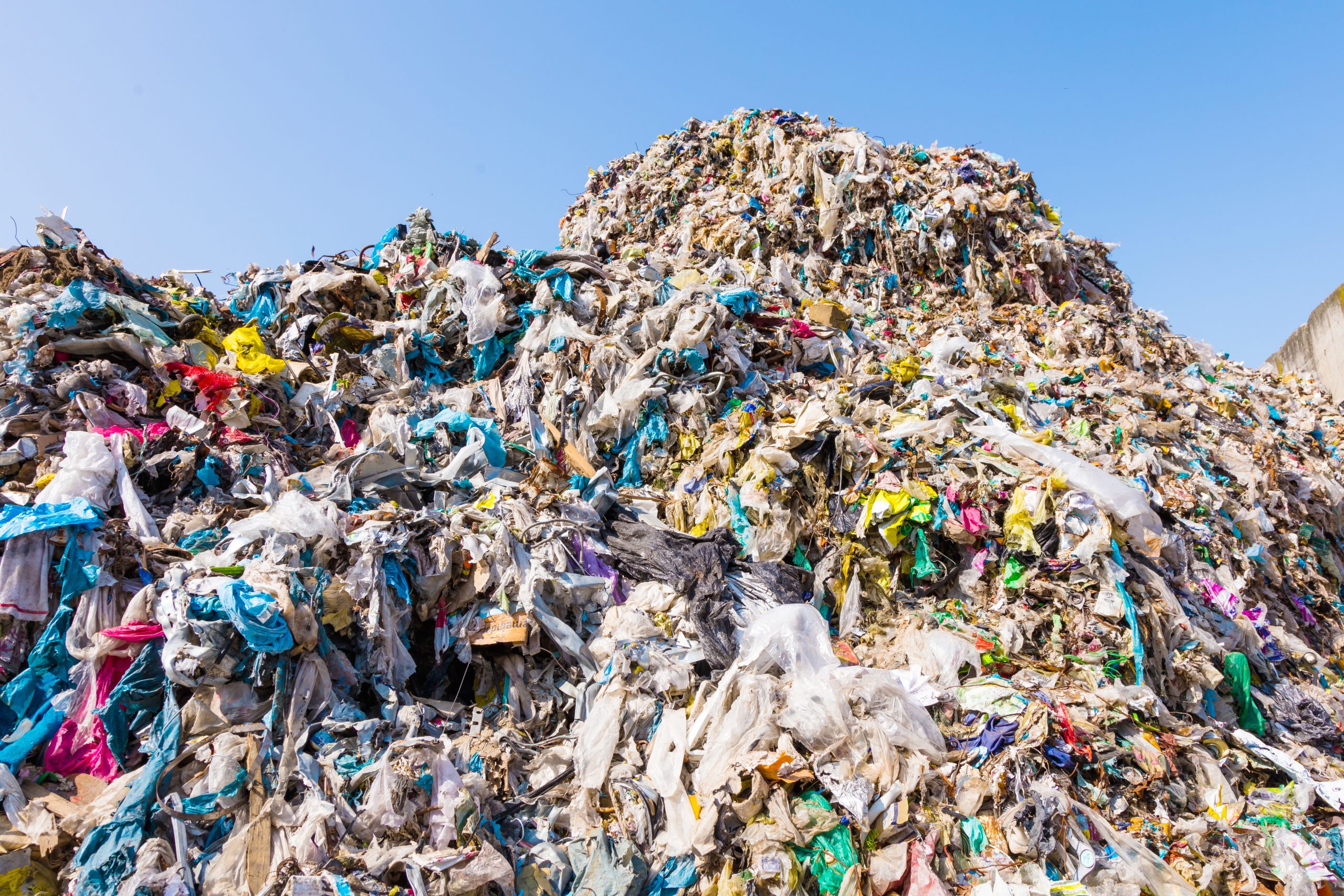
Microplastic pollution in the freshwater environment
This event brings together experts to explore the growing issue of microplastics in our aquatic and marine environments, and the implications for sustainable wastewater management. The event features lightning presentations […]
-

FWR Panel Discussion – the impact of agriculture on water
In this Foundation for Water Research (FWR) event, speakers discussed the critical relationship between agriculture and water resources. Through a series of short, lightning presentations the expert speakers highlighted the […]
-

The great hydropower dilemma: Can large and mega dams deliver a just energy transition?
The construction of large hydropower infrastructures has become a cornerstone of global climate mitigation strategies. As nations pursue climate-neutral economies, hydropower is often seen as a reliable renewable energy source […]
-

Integrating water management to enable sustainable growth
In January 2025 the Chancellor reaffirmed the Government’s commitment to the Oxford to Cambridge Growth Corridor to help kickstart economic growth, highlighting the potential of the corridor to unlock £78 […]
-

How a skilled workforce is vital to our water future
Recycling water in domestic and commercial settings is critically important for mitigating projected water scarcity challenges. However, the effective normalisation of water reuse in the UK is contingent upon establishing […]
-

Cotton Conscience: A view from space about wise water use in cotton cultivation management solutions
Introduction Cotton accounts for approximately half of all textile products globally. However, flows in the cotton value chain remain opaque, particularly regarding water use, despite various sustainability-related accreditation schemes. Cotton […]
-

Trading water across regions: Challenges, opportunities and its role in supporting resilience
Climate change is predicted to drive changes in the distribution of water across the UK, and combined with our increased usage of water, is projected to lead to increased water […]
-

What defines a healthy river?
The Foundation for Water Research (FWR)’s Sustainable Wastewater Management Technical Panel recently held a roundtable discussion exploring the topic of healthy rivers, chaired by Oliver Grievson, FWR Vice Chair, who […]
-

Water resources management and infrastructure: the challenges and the future
Water resource management can be summed up in three words: “we don’t know”. The nature of the problem is that water is part of a natural cycle, so managing water […]
-

Enabling nature-based solutions in the water sector
The IUCN defines nature-based solutions as those that address societal challenges through actions to protect, sustainably manage, and restore natural and modified ecosystems, benefiting people and nature at the same […]
-

The importance of Integrated Water Management
Integrated Water Management (IWM) is a comprehensive approach that considers the entire water cycle, from source to sea, including the human interactions along the way. It integrates environmental, economic, and […]
-

Integrated water management and economic growth
Context The current Government’s overriding priority is to promote economic growth in the face of the legacy of the dire state of public services, infrastructure and public finances. Unsustainably high […]
-

Thames RFCC and WWT collaborate on streamlined Natural Flood Management programme
Introduction The Thames Regional Flood and Coastal Committee (RFCC) and the Wildfowl and Wetlands Trust (WWT) are working collaboratively on an innovative Natural Flood Management (NFM) programme. The programme is […]
-

Briefing Paper: Future of water resources
Today the FWR have published a briefing paper on the future of water resources provides an overview of the key challenges facing the water sector and explores potential solutions to […]
-

Future home life with water in new build residential developments
This webinar presented work by University of Manchester researchers on the Ofwat Innovation-funded Enabling Water Smart Communities (EWSC) project. EWSC is an innovation project exploring the relationship between integrated water […]
-

Briefing: Water policy horizon scanning
A new briefing paper has been published by the Institution of Environmental Sciences (the IES) and the FWR. It address policy developments relating to water resources and systems and environments. […]
-

Lessons learned from catchment-based trading in nature in south-west England
In this summary article, Professor Mark Everard explores the private investment Bristol Avon Catchment Market programme, along with its challenges and successes in ecosystem restoration. The full report on this […]
-

PFAS in our water: a global problem demands a sustainable solution
Gareth Leonard, Managing Director of REGENESIS in Europe, explores how PFAS remediation can be performed efficiently and sustainably. PFAS (per- and poly-fluoroalkyl substances) contamination of groundwater is a widespread problem […]
-

The use of artificial intelligence in surface water flood management
Dr Mónica Rivas Casado explores new ways AI can be integrated into surface water flooding monitoring and management. In England alone, 5.6 million properties have been reported to be at […]
-

Flood AI: Rural communities and a new flood warning system
Caitlin Rogers, the FloodAI innovation lead from Isle Utilities, shares the resilience and innovation aspirations of FloodAI. In Northumberland, there are six catchments that do not have access to the […]
